






About Speed Legends
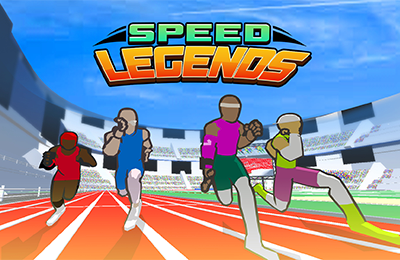
Speed Legends makes the runner’s body part of the race. Left and right inputs move the legs separately, while forward and backward lean adjust posture. A fast sequence only helps if it keeps the athlete upright and moving efficiently. Different race setups give you reasons to revisit the rhythm rather than treating every track as the same sprint.
How to Play Speed Legends
- Begin with deliberate alternating leg inputs on the opening stretch.
- Observe how each step moves the body before increasing pace.
- Adjust lean gradually to maintain a useful posture.
- Use a replay or the end of an attempt to identify the first stumble.
Controls & Timing
The two leg inputs and the lean controls solve different problems. When a run deteriorates, ask whether the stride rhythm changed or the body moved too far ahead of its support. Correcting both aggressively at once makes it harder to recognize which input restored the sprint.
Controls
| Input | Action |
|---|---|
| Left arrow | Move the left leg |
| Right arrow | Move the right leg |
| Up arrow | Lean forward |
| Down arrow | Lean backward |
High Score Tips
- Build a clean opening at a slower pace before chasing a quicker finish.
- Keep a recognizable left-right sequence rather than adding random inputs after a stumble.
- Use short lean corrections and observe the next foot placement.
- Review where the first loss of balance happened, since later awkward steps may be consequences of that moment.
Key Features
- Independent leg controls
- Forward and backward body lean
- Physics-based sprint and hurdle challenges
Frequently Asked Questions
Why does fast tapping slow me down?
A disrupted stride can cause stumbles. Speed depends on maintaining movement as well as increasing input pace.
What do up and down do?
They adjust the runner’s lean rather than choosing a different leg.